Investment Opportunity in Australia
Australia’s demand for STEM education tools is growing rapidly due to government emphasis on digital literacy, robotics programs in schools, and parents seeking future-focused learning resources. Products in this category have strong potential for:
Integration into primary and secondary school STEM programs
Use by after-school learning centres and coding academies
Retail sales to parents seeking high-quality educational toys
Partnerships with educational distributors and curriculum providers
Long-term expansion into robotics competitions, workshops, and teacher training
With rising interest in automation, AI, and robotics, this category presents a strong investment opportunity in the Australian education technology market, especially for businesses offering structured learning pathways and scalable product ecosystems.
Investor Summary – Hands-On STEM Robotics & Coding Learning System (Australia Market)
1. Executive Overview
This project offers a comprehensive, modular STEM education system that teaches children and students coding, robotics, engineering, and problem-solving through hands-on construction and progressively advanced programming tools. Students begin with simple screen-free programming, then move to block-based coding, and eventually into Python. This creates a full learning pathway from early learners to advanced secondary students, making the system suitable for schools, after-school learning centres, and home education.
The product ecosystem includes:
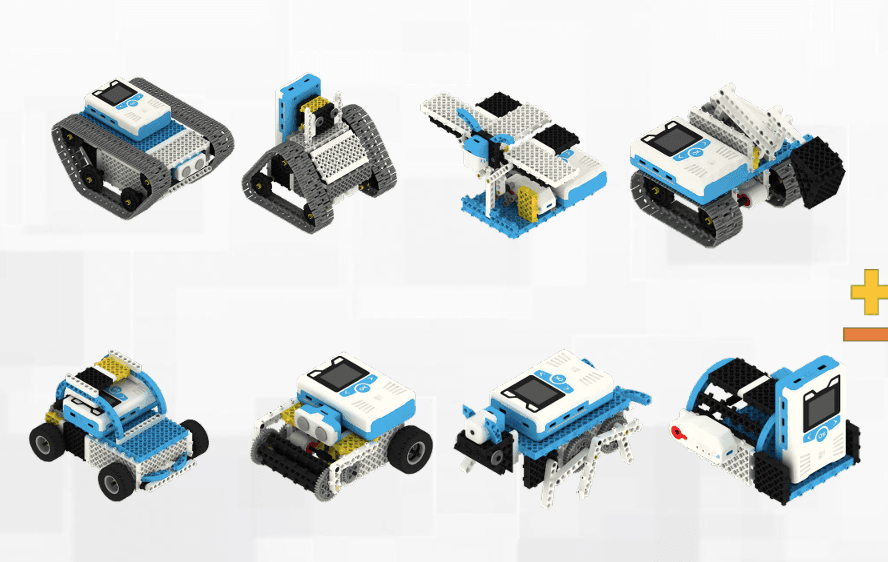
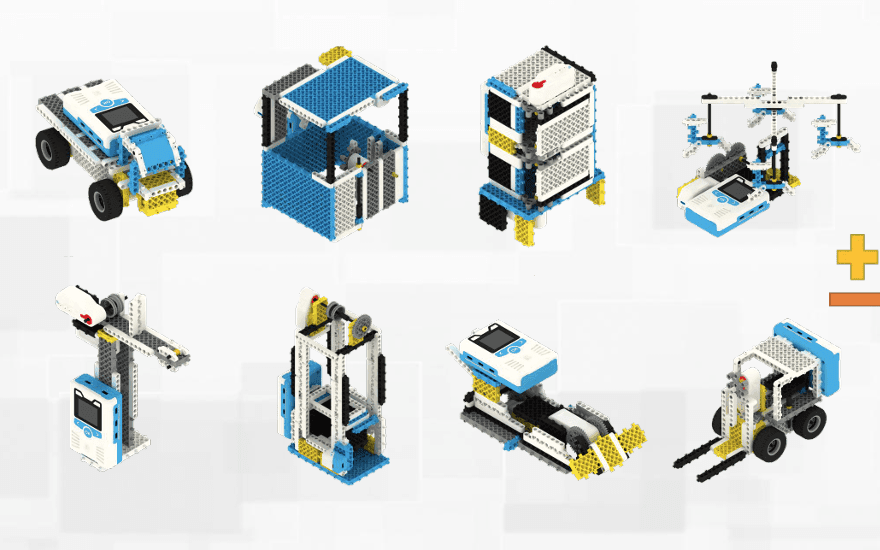
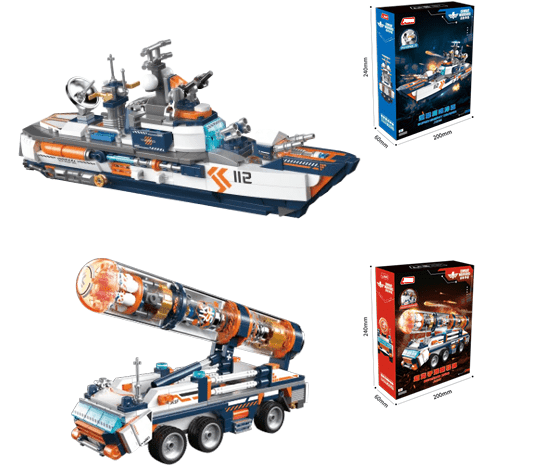
Construction-based learning kits
Smart mainboards with plug-and-play motors and sensors
Modules for movement, tracking, object detection, and automation
Curriculum-aligned lessons for Australian Digital Technologies
Teacher training and student project pathways
This integrated approach positions the product as an adaptable and scalable education solution for Australia’s rapidly growing STEM and robotics market.
2. Market Opportunity in Australia
Australia’s focus on future skills is driving strong demand for school- and consumer-level technology education products.
Key Market Drivers
Government Priority: National and state initiatives emphasise digital literacy, robotics, and STEM-equity programs across schools.
Curriculum Alignment: The Digital Technologies curriculum requires design thinking, prototyping, coding, and problem-solving—creating consistent demand for hands-on classroom resources.
School Investment: Public and independent schools increasingly allocate budgets toward robotics kits, coding tools, and teacher training.
Parent Demand: Enrolments in coding/robotics centres and after-school programs continue to rise, driving the retail/home learning segment.
Workforce Skills Gap: Employers and government reports highlight the need for stronger technology and automation skills, supporting long-term market sustainability.
Market Size
Australia’s education technology sector continues to expand with strong adoption across schools and learning centres.
Robotics and coding tools represent one of the fastest-growing subsegments, supported by curriculum reforms and national digital-skills priorities.
3. Product Strengths
A. Full Learning Pathway (Unique Selling Point)
Most competitors offer either early-stage kits or advanced programming tools. This system covers all levels:
Introductory stage: Screen-free programming + construction
Intermediate stage: Block-based coding & thematic smart projects
Advanced stage: Python programming & automation modules
This complete progression encourages long-term adoption by schools and centres.
B. Plug-and-Play Ecosystem
Multi-port mainboards
Motors, sensors, encoders
Pre-built modes (movement, tracking, obstacle detection, remote control)
No complicated wiring or setup
Ideal for classroom environments.
C. Curriculum-Aligned Projects
Themes include smart cities, agriculture, community safety, transport, homes, and healthcare—matching real-world Australian STEM learning outcomes.
D. Low Training Barrier for Teachers
The system’s simplicity reduces teacher onboarding time and encourages wider classroom usage.
4. Business & Revenue Model
Primary Revenue Streams
Hardware Kits: Classroom sets, advanced modules, home learning kits.
Curriculum & Digital Resources: Lesson plans, student project guides, online content.
Professional Development (PD): Teacher workshops and certification programs.
After-School & Holiday Programs: Kit-based course packages for learning centres.
Long-Term Contracts: School group licensing, distributor agreements.
Recurring Revenue Opportunities
5. Market Entry Strategy
Phase 1: Pilot Stage (0–6 months)
Partner with 6–10 schools in Queensland, NSW, and Victoria
Offer free or subsidised trial kits + training
Collect data: student engagement, teacher feedback, learning outcomes
Build case studies for procurement departments
Phase 2: Scale Through Distribution (6–18 months)
Partner with established Australian educational suppliers
Target regional schools and independent school networks
Participate in education expos and PD conferences
Phase 3: National Expansion (18–36 months)
Launch after-school program partnerships
Expand into retail and e-commerce
Introduce advanced kits and subscription curriculum
6. Competitive Landscape
Competitors include major robotics education platforms and coding kit providers. However, gaps exist in:
Affordable, scalable hardware
Curricula adapted to Australian standards
Systems that span early learning to Python
Teacher-friendly interfaces
This product addresses these gaps directly.
7. Investment Thesis
An investor can expect strong potential due to:
High-growth market: STEM education tools are expanding rapidly across Australia.
Government alignment: National initiatives reinforce demand for hands-on tech learning.
Scalable ecosystem: Modular system allows multi-year upselling within each school.
Recurring revenue: Curriculum, PD, upgrades, and after-school licensing.
Low operational risk: Hardware can be imported; curriculum and PD content created locally.
Defensible niche: Full learning pathway strengthens long-term customer retention.
8. Funding Requirements & Use of Funds
Target raise: AUD 100,000 – 300,000
Use of funds:
Import inventory & logistics
Curriculum development
School pilot programs
Teacher training materials
Marketing, distribution & partnerships
After-school program development
9. Conclusion
This project is positioned to capture a significant share of Australia’s growing STEM education market. By combining hands-on robotics, progressive coding pathways, and curriculum-aligned learning, it offers schools, parents, and learning centres a complete solution for preparing students for future technology-driven careers.
With strong demand, a clear market gap, and scalable business economics, this represents a compelling investment opportunity in Australia’s education technology sector.